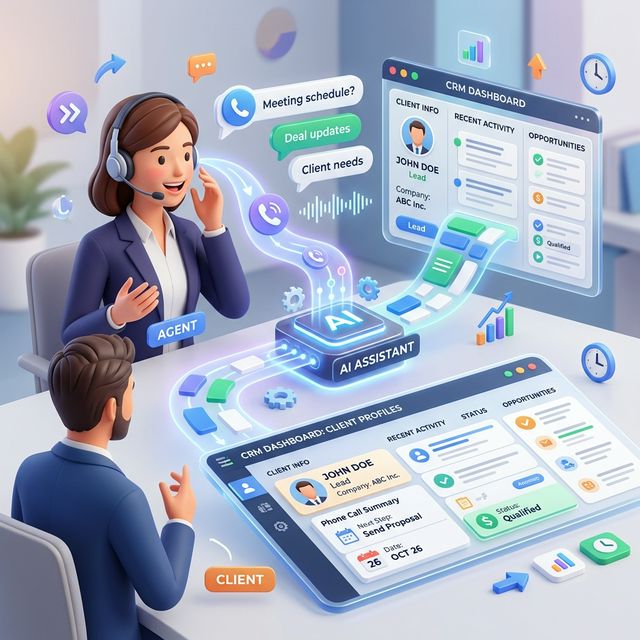
Let's be real for a second. If you sit down and calculate it, every call your team handles comes with a hidden tax. We call it the "reconstruction tax." After you hang up, you have to mentally replay the conversation, summarize the details, and punch them into your CRM so nothing gets dropped.
It feels like a tiny thing in the moment, but it's an invisible drain on your team's energy and time. That's why we built Smart Call Summaries. Now, every call your AI agent handles ends with a complete, structured summary that lands exactly where it needs to be, automatically pushed to your CRM, inbox, or team Slack.
Ask any HVAC dispatcher, plumbing coordinator, or front-desk manager what eats up most of their day, and you'll probably hear the same answer: writing up what just happened on that last call. Who called? What did they need? Did we promise a specific window? What's the next step?
It's invisible labor. It's never written on a job card, never tracked in a KPI report, but it compounds faster than you think.
For a local service business handling roughly 40 inbound calls a day, typing up manual call notes can quietly eat up an entire full-time employee's output over a single week. We saw this happening over and over, so we decided it was time to automate it completely. The moment an AI-handled conversation wraps up, Voiceyfy instantly generates a plain-language record and routes it straight to your systems in under 8 seconds.
The Hidden Revenue Drain You're Not Tracking
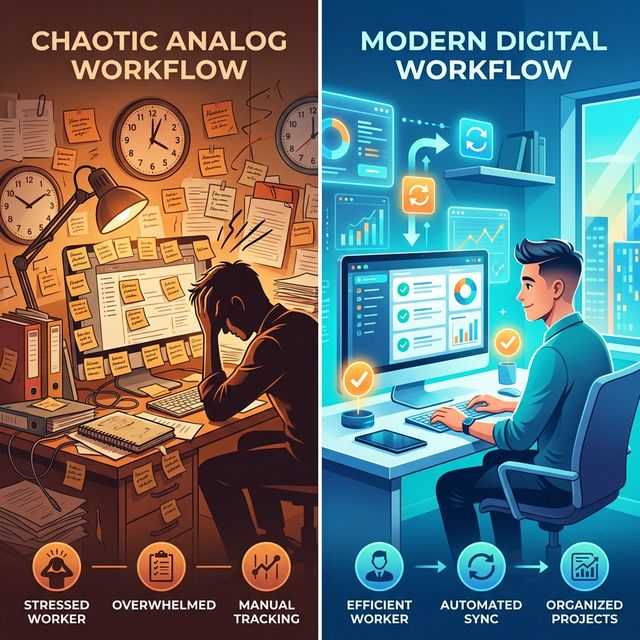
Look, the problem isn't that your team is slow or bad at their jobs. It's that they are forced into constant context-switching all day long. Answer the call → talk to the customer → hang up → mentally reconstruct the chat → type it somewhere → move on to the next fire.
That "mental reconstruction" step is exactly where critical details get dropped. A promised follow-up call tomorrow morning? Forgotten. An urgent leak note? Left out of the CRM.
| ❌ WITHOUT SMART SUMMARIES | ✅ WITH SMART SUMMARIES |
|---|---|
| Staff manually types notes after each call (avg. 4–6 min) | AI generates summary in <8 sec, automatically |
| Critical details get dropped under busy conditions | 100% of call details captured, every time |
| Notes vary in quality depending on who took the call | Consistent, structured format across all records |
| Follow-ups fall through the cracks | Follow-up action items flagged and assignable |
| CRM records updated manually, often hours later | CRM updated in real time via webhook push |
The Six Pieces of Data We Grab From Every Call
We didn't just want a messy transcription. We trained Voiceyfy's summary engine to listen specifically for six core categories on every single call, pulling out the exact details you actually need to run your day:
Call Intent & Category
Classifies the call type, whether a new service request, reschedule, or complaint, and assigns it to the right workflow.
Urgency Score
Rates urgency from Low to Critical based on language cues ("it's flooding"), so your team prioritizes instantly.
Caller Sentiment Arc
Tracks how the caller's emotional tone shifted during the call, which is incredibly useful for coaching and quality reviews.
Commitments Made
Extracts every promise, like pricing quoted or time windows given, so nothing falls through the cracks.
Action Items
Generates a plain-language to-do list, which can be auto-assigned to team members in your CRM.
CRM Match & Update
Matches the caller to an existing contact or creates a new one. Updates deal stage in under 8 seconds.
Real Businesses, Real Impact
We aren't just hypothesizing here. Over the past couple of months, early-access customers across HVAC, plumbing, pest control, and electrical sectors have been using Smart Summaries in the real world. The feedback has been incredible.
"I used to spend the first hour of every morning updating our CRM from the day before. Now I open it and it's already done. Every call, every detail, every action item is just there."
Operations Manager
Mid-Size Plumbing Company · Houston, TX
When you step back and look at it, your team shouldn't be acting as data-entry clerks. Their true value is in talking to customers, solving complex problems, and keeping your trucks rolling. By taking the friction out of post-call notes, we're helping businesses get back to doing exactly that.